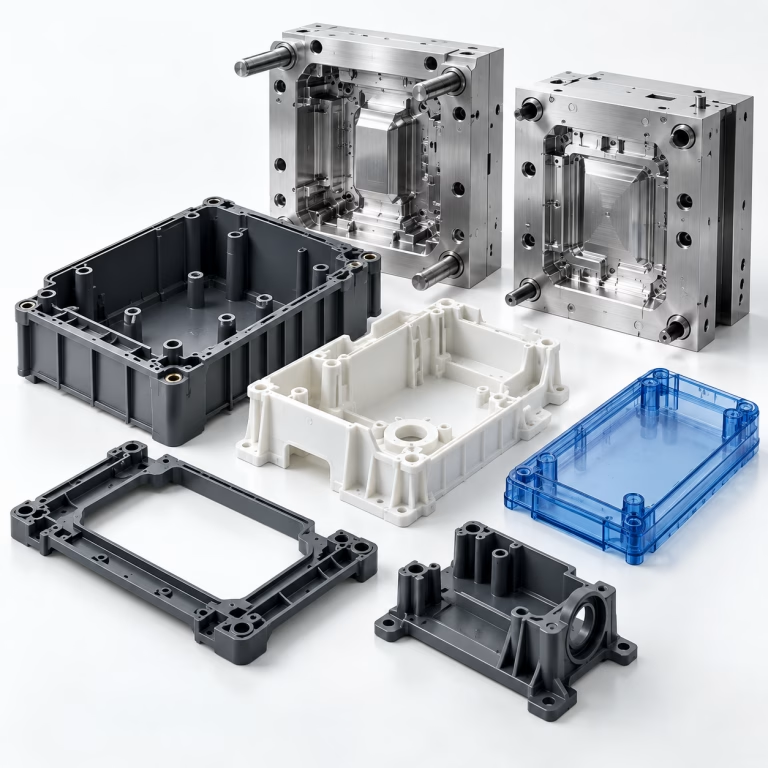
Technical Housings & Frames
Mold components for housings, covers and frames where ribs, bosses and fitting surfaces must stay stable.
INDUSTRIAL APPLICATIONS · MADE TO YOUR DRAWINGS
Custom precision mold components for industrial manufacturing applications.
Build tooling component requirements around functional geometry and mating interfaces. We manufacture custom cores, inserts and related mold components to drawings for industrial plastic part applications.
Custom mold components for mold makers, toolrooms and industrial tooling projects.
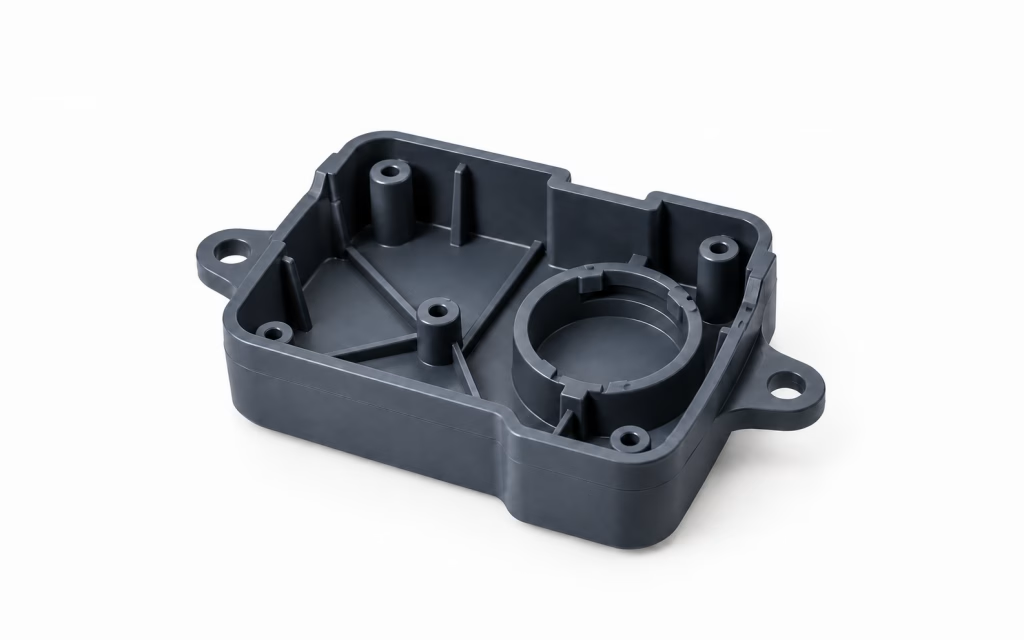
Identify the tooling features that control assembly, connection and part release.
Mold components for housings, covers and frames where ribs, bosses and fitting surfaces must stay stable.
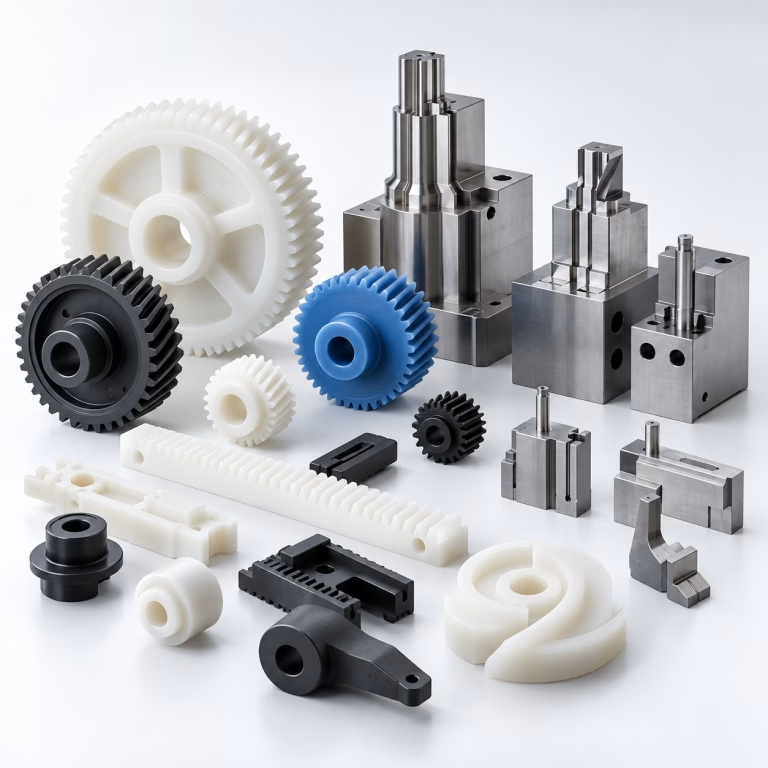
Precision inserts for gear-like, sliding or movement-related plastic parts with controlled local geometry.
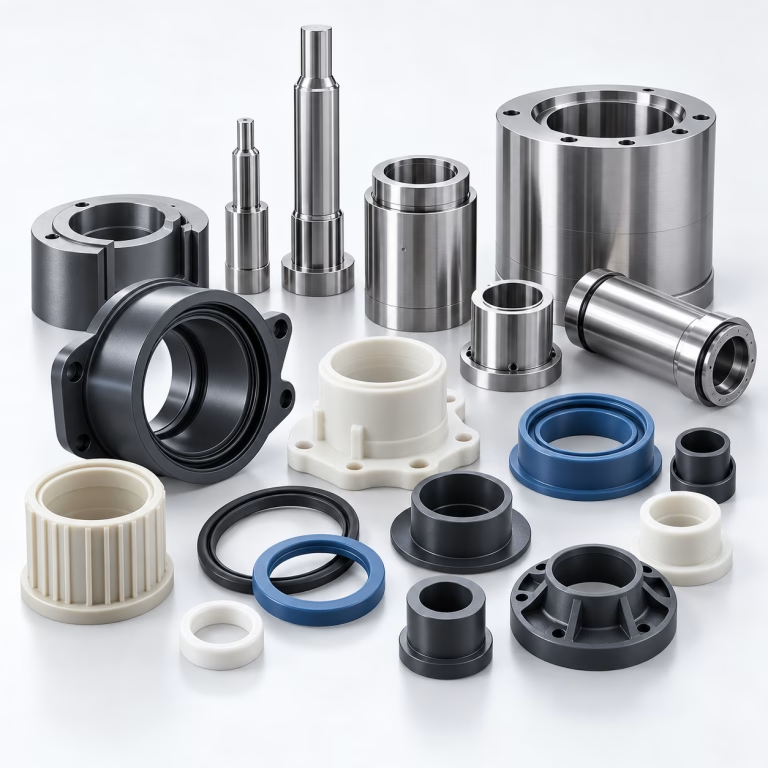
Components for industrial caps, couplings and fitted parts where mating surfaces and dimensions affect assembly.
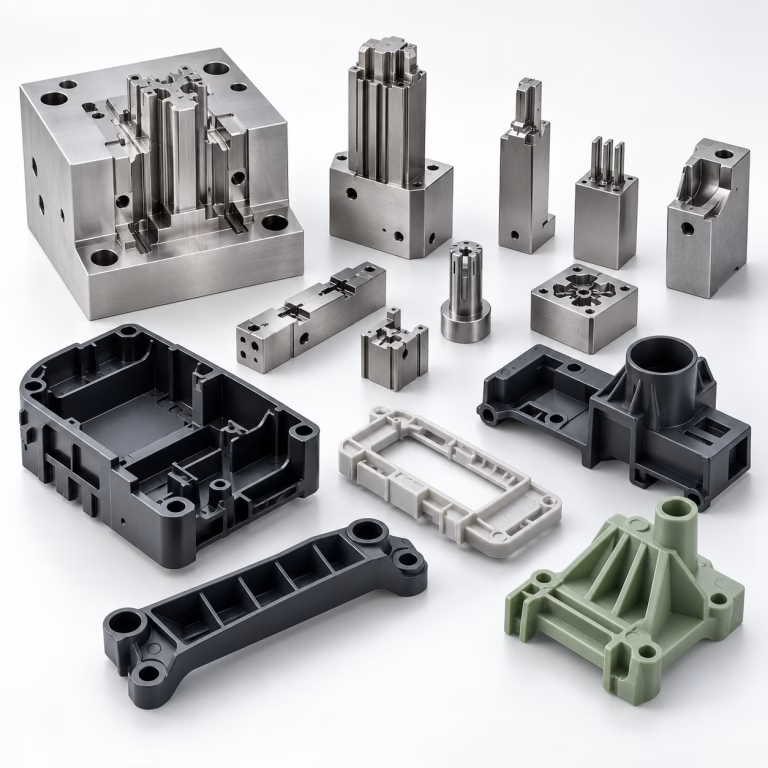
Made-to-drawing mold inserts for non-standard industrial parts, replacements and local functional features.
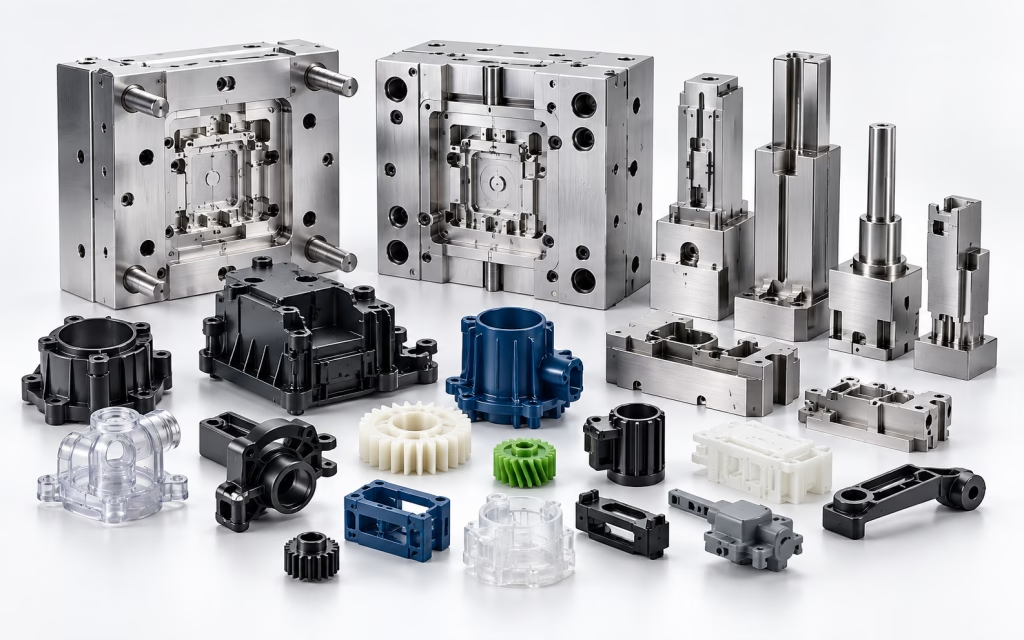
Solution:Confirm functional datums before machining fitting and assembly areas
Solution:Review wall thickness, ribs, material behavior and finishing allowance together.
Solution:Control EDM/CNC features and inspect local forming geometry.
Solution:Check slider/lifter contact surfaces, locking references and clearance.
Solution:Control mating surfaces and critical dimensions across matched components.
Solution:Separate sample wear from intended dimensions with agreed measurement points.
Use the tooling drawing to select the relevant component and define its interfaces.
| Mold function | Component support |
|---|---|
| Functional Datums & Fitting Surfaces | Cavity Inserts · Mold Cores & Core Inserts |
| Ribs, Bosses & Local Geometry | Core Pins |
| Sliding / Undercut Features | Forming Sliders & Lifter Inserts |
| Cylindrical Fit & Sleeve Areas | Ejector Sleeves & Core Sleeves · Core Pins |
| Release and ejection interfaces | Ejector Sleeves & Core Sleeves |
| Side actions and undercuts | Forming Sliders & Lifter Inserts · Collapsible Core Components |
Specify the component checks that support assembly fit and compatibility with the tooling design.
Identify mating diameters, locating faces and geometric relationships for dimensional inspection.
Define the profiles and contacting surfaces requiring particular inspection attention.
State the required material grade, hardness and supporting documentation with the drawing.
Available records depend on the agreed project scope.
Review the component together with its locating pocket, mating parts and service history. For revised or worn tooling, identify which dimensions remain controlled by the drawing and which require confirmation.
Request a Replacement ReviewSend your drawing or describe the component you need.